Reviews
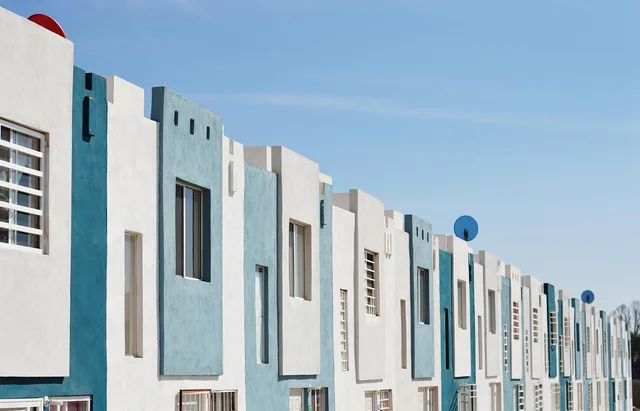
Part of US homes by city: a street-side tour of six cities
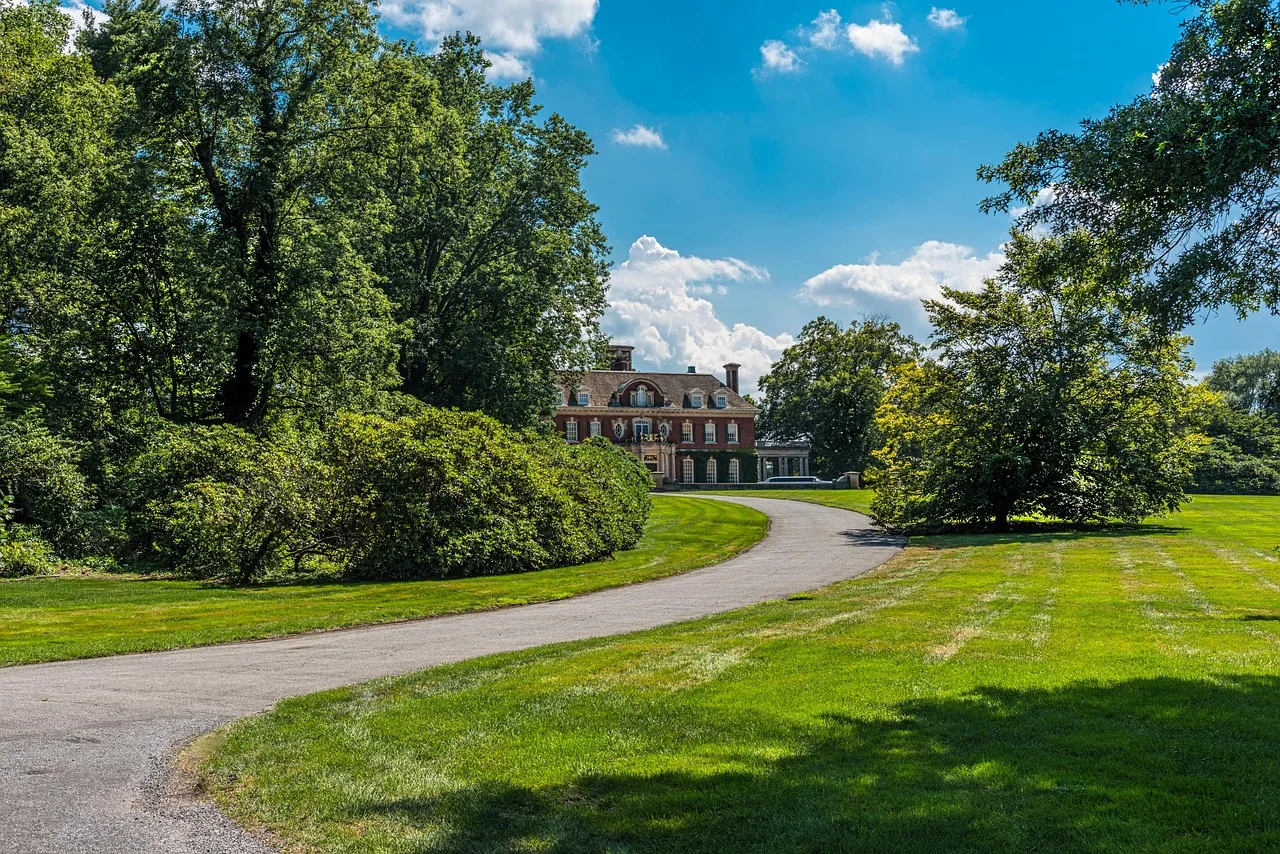
4 code checks behind a US mansion purchase
Four checks on a US mansion purchase: permit file, adopted code edition, local amendments and site conditions, worked through a Miami-Dade and a Los Angeles example with the named codes and offices.
Four points worth checking on any US house, the largest included, are the permit file, the adopted code edition, local amendments, and site conditions. They separate what the rules required from what the owner and the builder chose.
Two houses finished the same year in two cities can be built to different rules.
Building regulation in the United States runs on local adoption of model documents. Each jurisdiction picks an edition, picks a date, and amends on the way through.
That mechanism sits behind the four checks below. None is a legal opinion, and none substitutes for a licensed inspector or attorney in the state where the house sits.
What to take away
- The code that governs a house is the one in force on the permit application date, not the edition published that year.
- The permit file is the only reliable record of which edition applied and what was inspected.
- Local amendments cluster around seismic, wind, snow, flood, wildfire and frost conditions, so the ground under a house shapes its structure.
- A finished house hides its code history; the paperwork does not.
- Where a check turns up a gap, the answer comes from the local building department, not from the listing.
The four checks
1. The permit file and its application date
Ask the city or county building department for the permit history on the address; many take the request through an online permit portal or a public records request. The application date fixes which code edition applied, because most jurisdictions govern a project by the rules in force when the application was filed. A house permitted in 2015 and finished in 2017 was built to 2015 rules.
Read the inspection card too. It lists what was inspected and signed off, and what was never inspected at all.
2. The adopted edition in force locally
The building department publishes the edition it adopted and the date it took effect. That page is the answer, and the model document's own publication date is not. A gap of a cycle or two behind the model code is ordinary, because adoption takes legislative time and staff training.
Where a house was permitted during a transition year, confirm which edition the department applied. The published families of model documents, including the residential code that governs most house construction, are set out by the International Code Council's code library, with the residential document itself at the International Residential Code page.
3. Local amendments, which live in the municipal code
Amendments are not random. They cluster where the model rule fits local ground badly.
Local amendments
| Area of amendment | Typical local driver |
|---|---|
| Structural provisions | Seismic activity in Los Angeles and San Francisco; high wind in Miami-Dade; heavy snow in Buffalo |
| Foundations | Frost depth in Minneapolis; expansive soils in Denver and Dallas; high water table in New Orleans |
| Roof and exterior cladding | Wildfire ember exposure in Paradise, California; hail in Denver; hurricane debris in Miami |
| Energy provisions | Climate zone in Phoenix and Minneapolis; state energy policy in California and New York |
| Flood provisions | Mapped flood hazard and National Flood Insurance Program participation in Houston and New Orleans |
| Fire separation and access | Local fire department practice and water supply in Chicago and New York City |
The trap is where they are filed. Amendments often sit in the municipal code rather than with the building code, so the two documents have to be read together. The public map layers behind this search, including hazard overlays and historic districts, are described in Los Angeles homes maps.
4. Site conditions the code is answering
When a house looks different from what you expect, the question is which of three explanations applies: the rules, the ground, or the owner's choice. Much of what gets filed under regional taste is the first two.
Site conditions the code is answering
- A wide overhang in one region and none in another is often a fire or wind requirement.
- A raised first floor near water is usually a flood provision.
- An unusually heavy roof structure is often snow load.
- A masonry detail that appears in one metropolitan area is often a local amendment with a long history.
The federal research feeding these rules over time, including work on resilience and building performance, is published through the buildings and construction program at NIST. Changes there surface in model documents years later and in local law later still.
Two worked examples: Miami-Dade and Los Angeles
These examples are illustrative, not records of real houses. Confirm every edition and date on the department's own page.
A large house in Coral Gables, Miami-Dade County. Suppose a buyer is looking at a 9,000-square-foot house whose permit was applied for in 2019. The Florida Building Code is the state code. The 6th Edition (2017) was in force at that date; the 7th Edition (2020) took effect on December 31, 2020, and the 8th Edition (2023) on December 31, 2023. The 2019 application therefore falls under the 6th Edition.
Miami-Dade sits in the High-Velocity Hurricane Zone, which adds stricter wind and impact-product provisions, including product approvals (Notices of Acceptance) for windows and doors. Ask for the Notice of Acceptance numbers for the impact glazing. Then check the FEMA flood zone for the parcel, because flood rules set the height of the lowest floor. The permit records sit with the City of Coral Gables Building Division or, for unincorporated addresses, the county.
A hillside house in Los Angeles. Here the base is the California Building Code, adopted by the state on a three-year cycle. The 2022 edition took effect on January 1, 2023, and a 2025 edition on January 1, 2026. Los Angeles amends the state code through the Los Angeles Building Code, with hillside, grading and seismic provisions. Permit records are held by the Los Angeles Department of Building and Safety, and the city's ZIMAS parcel portal shows zoning and overlays by address.
For both houses, ask the seller for the certificate of occupancy or completion, the final inspection sign-offs and any open or expired permits. Compare each pool house, guest wing or addition with a permit. Unpermitted work is the commonest purchase-stage problem, and an attorney or inspector licensed in that state should review it.
Reading a house against its paperwork
A newer edition usually means a better-performing envelope and better life safety provisions, because that is where revisions concentrate. It says nothing about workmanship, plan quality or how long the roof will last.
Permit date fixes code edition
- 2015permit application filed
- 2015code edition applies
- 2017house finished
- 2015rules still govern
Touring an Arizona mansion to buy shows how heat, water and disclosure rules play out in one region. Why the lot itself varies so much city to city is in homes by city.
The same checks carry the most weight on the houses that draw the most attention, including the mansions that make the tour circuit. A very large home with a wide overhang, a raised first floor, or an unusual roof structure meets more of these provisions than a modest one, and each one shows up in the paperwork rather than in the finished rooms. On a tour the file is invisible; at a purchase it is the part of the house that does not change.
Common questions
Can I tell which code a house was built under by looking at it?
Sometimes, from details that changed at a known revision, but not reliably. The permit file is the evidence, and it records the filing date that fixes which version applied.
Why would a city adopt an older edition?
Adoption takes legislative time, staff training and coordination with the state. A gap of a cycle or two is ordinary rather than negligent.
Is any of this the same outside the United States?
The idea of a national or regional code is common, but the model-and-adoption structure is not universal. Comparisons across countries need care, and the reasons are set out in international homes.