Industry
Part of Privacy-safe celebrity maps with verified dates and sources
How to make sense of privacy-safe celebrity maps interiors
Interiors you can study without a private home: measured drawings, institutional rooms, archived photographs, and what each source can prove.
If you will not use photographs of private homes, where does interior evidence come from?
The answer is better than what it replaces. Measured documentation, institutional interiors, archived photographic collections, and the historic record of trades and materials show how rooms were built and used more reliably than any current photo of somebody's house.
This page sets out those sources and what each is good for. It identifies no property and no person.
What to take away
- Measured drawings beat photographs for anything about dimension, structure or how a room works.
- Institutional interiors can be studied openly because the institution publishes its own details.
- Archived photographs are evidence about a moment and about a photographer's choices, and both have to be read.
Measured documentation
A measured set records a room's real dimensions: height, width, wall thickness, opening sizes, and the section through the whole building. Everything a photograph distorts, a measured drawing states. The documentation programs that produce these sets to a consistent standard are described at the Heritage Documentation Programs, with the buildings survey itself at what the Historic American Buildings Survey records.
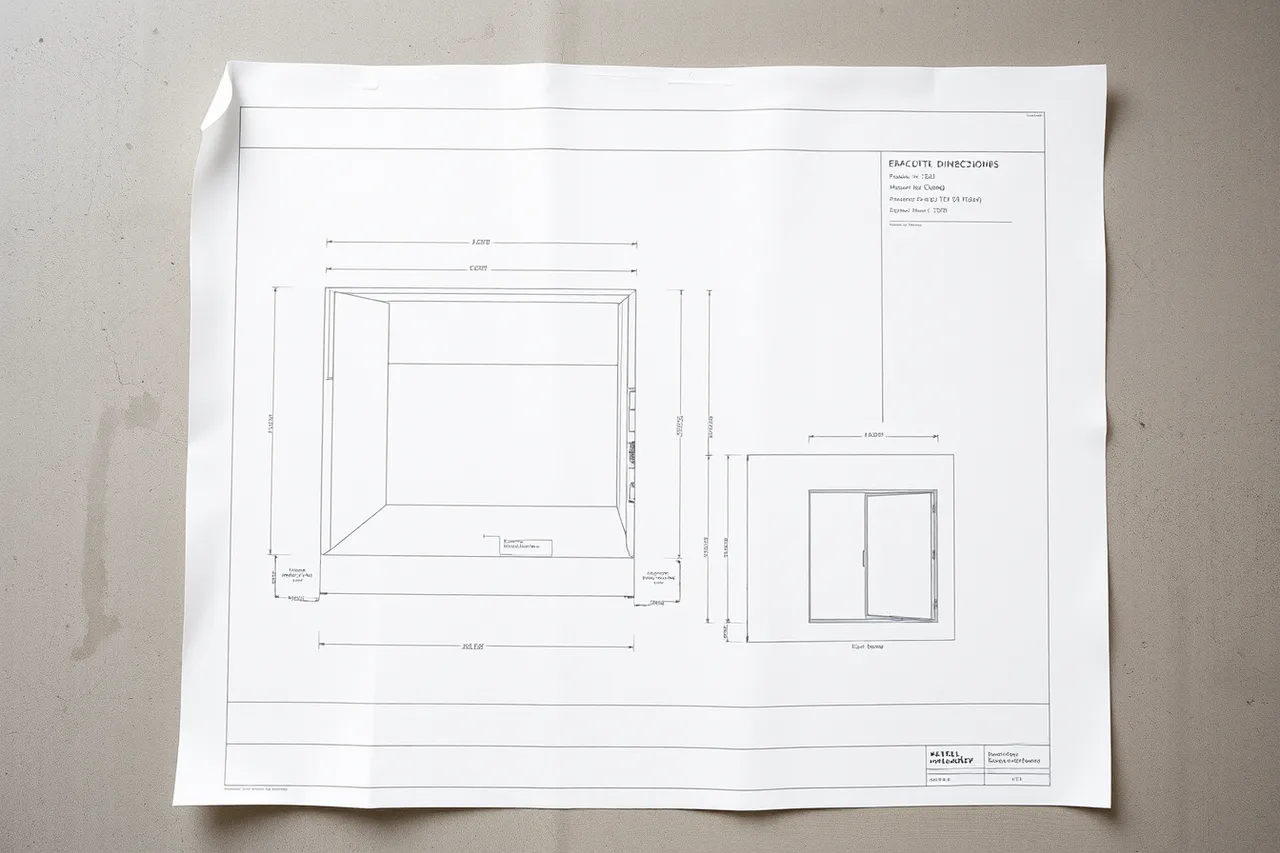
Two properties make these sets unusually valuable. They are consistent, so buildings can be compared honestly. And they are dated, so a set from decades ago is evidence of what has changed since. How to read one is set out in reading measured drawings.
Institutional interiors
A house operating as a museum can be studied and written about, because it publishes its own location, opens on a schedule and would be unchanged if everyone associated with it left. What such a building shows and what it quietly does not is set out in houses that became institutions.
The reading discipline is to remember that a presented room is an interpretation made on a date. Take the fabric as evidence, take the arrangement as an argument, and look for what the presentation could not erase.
Archived photography
Historic photographic collections are genuine evidence, and they need reading rather than looking. A room photograph made a century ago tells you about textiles, layering, lighting, floor treatments and how densely rooms were furnished, all of which are hard to establish any other way.
| What an archived interior photograph is good evidence of | What it is weak evidence of |
|---|---|
| Materials, textiles and surface treatments present that day | How the room was normally used |
| Layering: curtains, screens, portieres, internal doors | Color, in monochrome material |
| Fittings, hardware and lighting apparatus | Dimensions, which the lens distorts |
| That a feature existed at that date | That a feature was original |
Every historic interior photograph was staged to some degree, because long exposures required stillness and because the photographer was making a picture. That is not a reason to discount them. It is a reason to read the staging as part of the evidence.
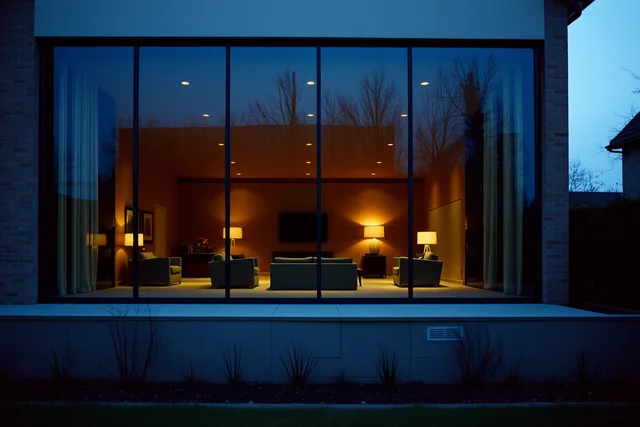
The general problem of a photograph standing in for a room, and why the two never match, is worked through in why rooms never look like their photographs.
The trade and material record
The least used and most reliable source is the record of how things were made: catalogs of fittings, published standards, technical guidance on materials and their failure. It dates elements precisely, because manufacture changed on schedules that can be established, and it explains what a surface is rather than what it looks like.
For historic fabric specifically, the technical guidance in the Preservation Briefs series covers individual materials and problems in detail, and it is written to be used by people working on buildings rather than by specialists alone.
Putting these sources together with physical evidence in the building is the whole method, and the physical half is set out in reading interior phases. Why the structure sets the limits on any interior is in architecture and interiors.
Common questions
Is refusing private interior photographs a real limitation?
For architectural writing, almost none. Dimension, structure, material and sequence all come from better sources. What is lost is the current arrangement of somebody's furniture, which is not architectural evidence.
Are archived photographs safe to use?
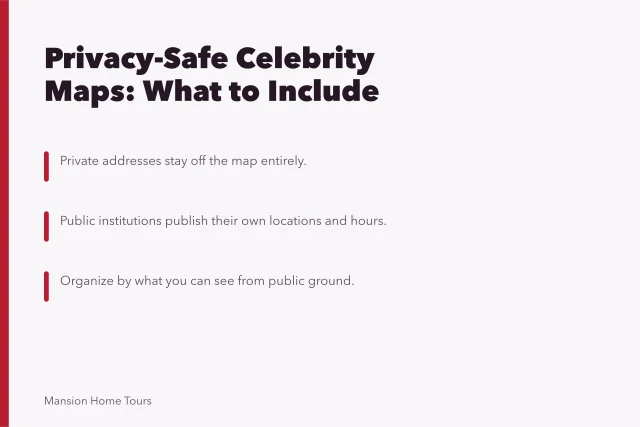
The historic ones in public collections, with their own credit, generally yes. The test this site applies is whether the image identifies a current private home, not how old it is.
Why are measured drawings so rarely used by non-specialists?
Because reading them takes an hour of learning conventions that nobody teaches. That hour is the best investment available to anyone interested in buildings.
What single source would you start with?
A measured set of a building type you already think you understand. The section will contradict something you believed, and that contradiction is the beginning of reading buildings properly.