Rules
Part of Privacy-safe celebrity maps with verified dates and sources
How to make sense of privacy-safe celebrity maps privacy
Celebrity maps show where a house sits, not who sleeps in it, and the privacy rules behind those star home tours decide what a fan can safely see.
What to take away
- A privacy-safe map shows a building and its setting. It does not tie a named household to an approach or a schedule.
- Six signals separate safe pages from unsafe onesowner names, described approaches, gate photographs, entry-time detail, missing sources, and no removal policy.
- The Los Angeles County Assessor portal and OpenStreetMap publish building footprints without owner fields. That is the parcel-only pattern in practice.
- Zoning setbacks, HOA covenants, easements and historic designation decide what an owner can change. A map decides nothing.
- Privacy fixes here are measurablesill height, hedge height, setback distance, and the length of the screening run.
Six signals on a map page
Run a page against this list before you trust it.
- Owner name printed beside the pin.
- Approach to the door described in words.
- Photographs of gates, driveways or entry doors.
- Hours when the house is occupied or lit.
- No publication date, and no source named for the data.
- No stated route for a removal request.
One failed line is not automatically dangerous. Three failed lines make the page a directory of who lives where. The safe version stops at the footprint.
Where the public record stops
What it adds
- Parcel map
- Lot lines, acreage and footprint from survey and assessor data
- Named-property map
- Recorded owner from the deed or tax roll
- Tour map
- Photographs, described approach, gates, neighborhood context
Risk
- Parcel map
- Low
- Named-property map
- Moderate
- Tour map
- High
Three types of celebrity maps
Parcel maps
- Lot lines & acreage
- Yes
- Owner name
- No
- Photograph
- No
- Approach & context
- No
- Privacy risk
- Low
Named-property maps
- Lot lines & acreage
- Yes
- Owner name
- Yes
- Photograph
- No
- Approach & context
- No
- Privacy risk
- Medium
Tour maps
- Lot lines & acreage
- Yes
- Owner name
- Yes
- Photograph
- Yes
- Approach & context
- Yes
- Privacy risk
- High
Maps of the second and third kind are usually lawful. Deeds, tax rolls and assessment files are open in most US counties.
The Driver's Privacy Protection Act of 1994 stopped state DMVs from selling most home addresses, so these pages rarely start from a license file.
Two sources reward a direct look. The Los Angeles County Assessor portal publishes parcel data with no owner photograph. OpenStreetMap draws building footprints and omits owner fields.
Our own choice of the first type is argued in the three map types explained.
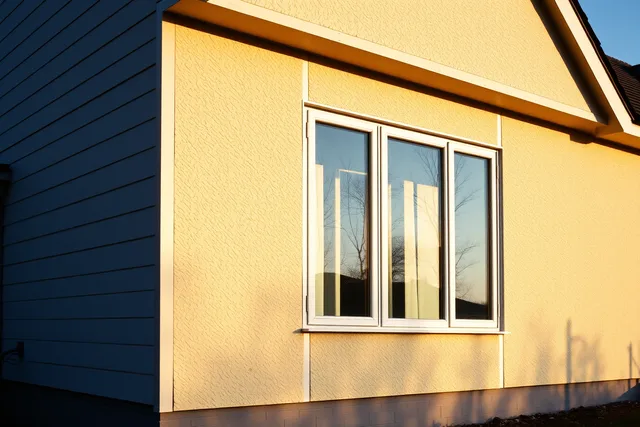
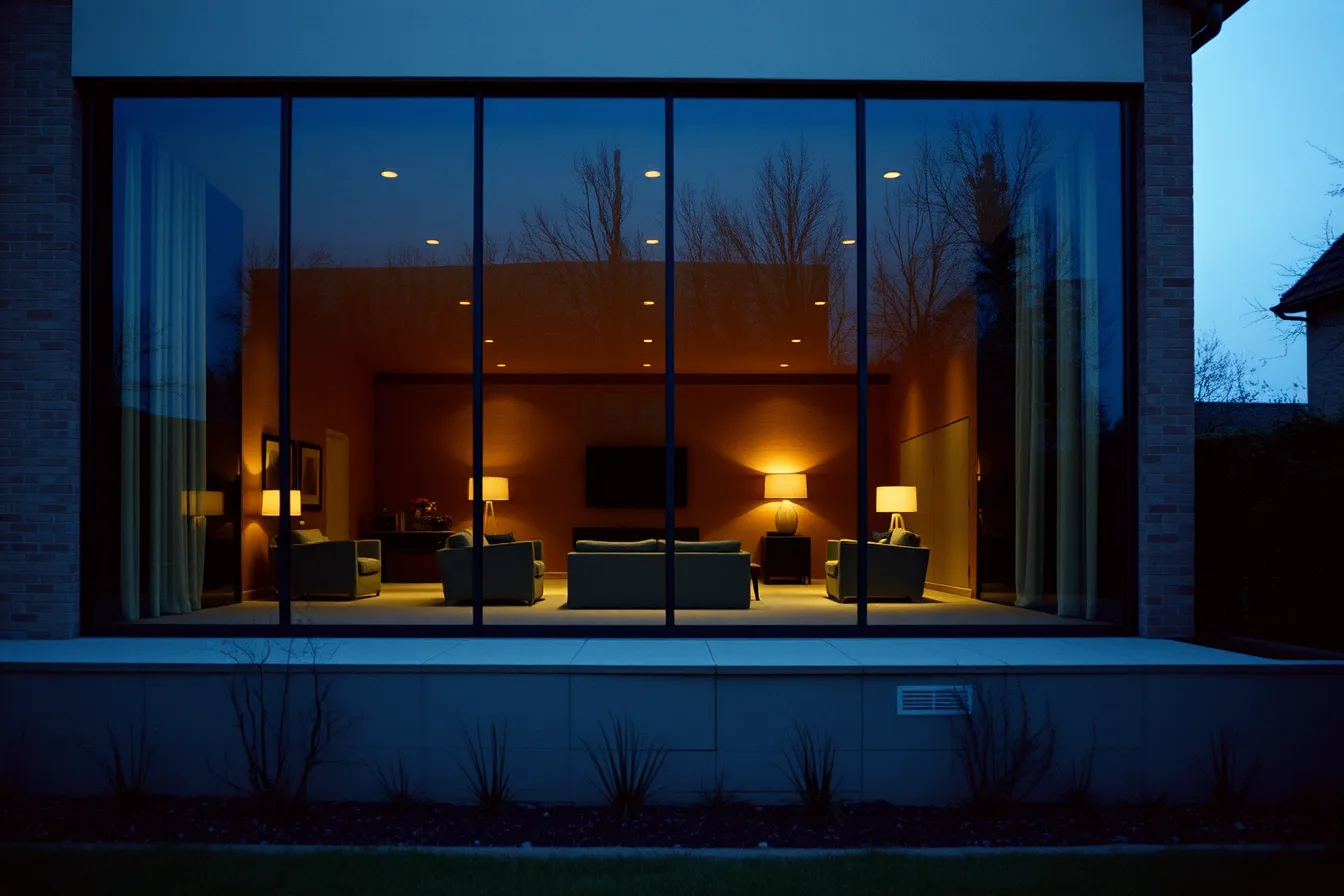
Example: the evening room, twelve feet of glass
A rear living room has a twelve-foot glazed wall. The boundary sits forty feet away.
Five documents settle the question.
The evening room
- Request the plot plan and confirm where the boundary and any easement run.
- Read the recorded setback. A typical single-family rear setback runs 15 to 25 feet, and a typical side setback 5 to 10 feet.
- Open the CC&R architectural clause. Many covenants cap a hedge at 6 feet and require approval before planting.
- Check the window schedule. A typical sill sits 30 to 36 inches above the floor.
- Read the lighting plan. Fixtures placed close to the people using them keep the room dim from the street.
Each item is a document you can request.
Historic plans graded the whole building, public at the front and private at the back. The Historic American Buildings Survey holds measured drawings that record that grading room by room.
Interiors photographs in the Library of Congress collections show screens and internal doors doing work that a modern room asks one pane of glass to do.
The modern version of that grading, room by room, is in how plans grade rooms front to back.
The four instruments that decide what an owner can change
Four instruments
- Zoning and setbacks.The municipality fixes how close a fence or hedge may sit to a lot line, and how tall it may be.
- HOA covenants and architectural review.A private contract enforced by the association, usually before planting or window changes.
- Easements and survey.A utility or access easement can forbid the exact hedge that would fix the sightline.
- Historic designation.National Register listing can restrict window changes, roof material and paint.
Four instruments that govern a house
- Zoning and setback rules
- HOA CC&Rs and architectural review
- Easements and survey
- Historic-district and National Register designation
Confirm anything that varies with the body that sets it: the planning department, the association board, or a licensed attorney.
Screening is priced per linear foot, so a planted screen usually costs less than masonry over the same run. Quoted costs move with material and labour, so treat any figure as a typical range.
What gets a house removed from a map
Google blurs a Street View image when an owner asks. That hides the elevation and leaves the route in place.
Beverly Hills restricted tour buses on residential streets in 2017 after complaints about celebrity-home routes.
California's Safe at Home program, run by the California Secretary of State, gives a substitute address to victims of violence. The Daniel Anderl Judicial Security and Privacy Act of 2022 lets federal judges and their families ask data brokers to delete home records.
A general homeowner has no blanket removal right. In Canada, PIPEDA governs how commercial organizations handle personal information, and the Privacy Commissioner takes complaints.
What this site will and will not publish
This site does not publish where anyone lives. It leaves out addresses, streets, described approaches, distinctive views and locating detail.
How far that protection extends is set out in the site list of protected listings.