
Rules
What to Check Before Buying in a Celebrity Gated Community
Celebrity gated community homes come with private rules, security contracts and disclosure duties. Here is the due diligence to run before you sign.
What to take away
- The governing documents, not the listing photos, decide what you can do with the house. Read the CC&Rs, the architectural guidelines and the current budget before you make an offer.
- Security in a celebrity enclave is usually a private contract, and you pay for it through the HOA dues whether you want the patrol or not.
- Non-compliance has a price. Fines, liens and forced restoration are standard remedies in most recorded declarations.
- Ask for the last two years of minutes and the reserve study. Special assessments are where the surprises live.
- A celebrity neighbor changes your privacy posture, not your legal rights. Plan for cameras, staff and press parked at the gate.
The documents that actually bind you
A gated community is a private contract attached to the land. The declaration of restrictions, often called CC&Rs, runs with the title. It survives the seller, the agent and the market.
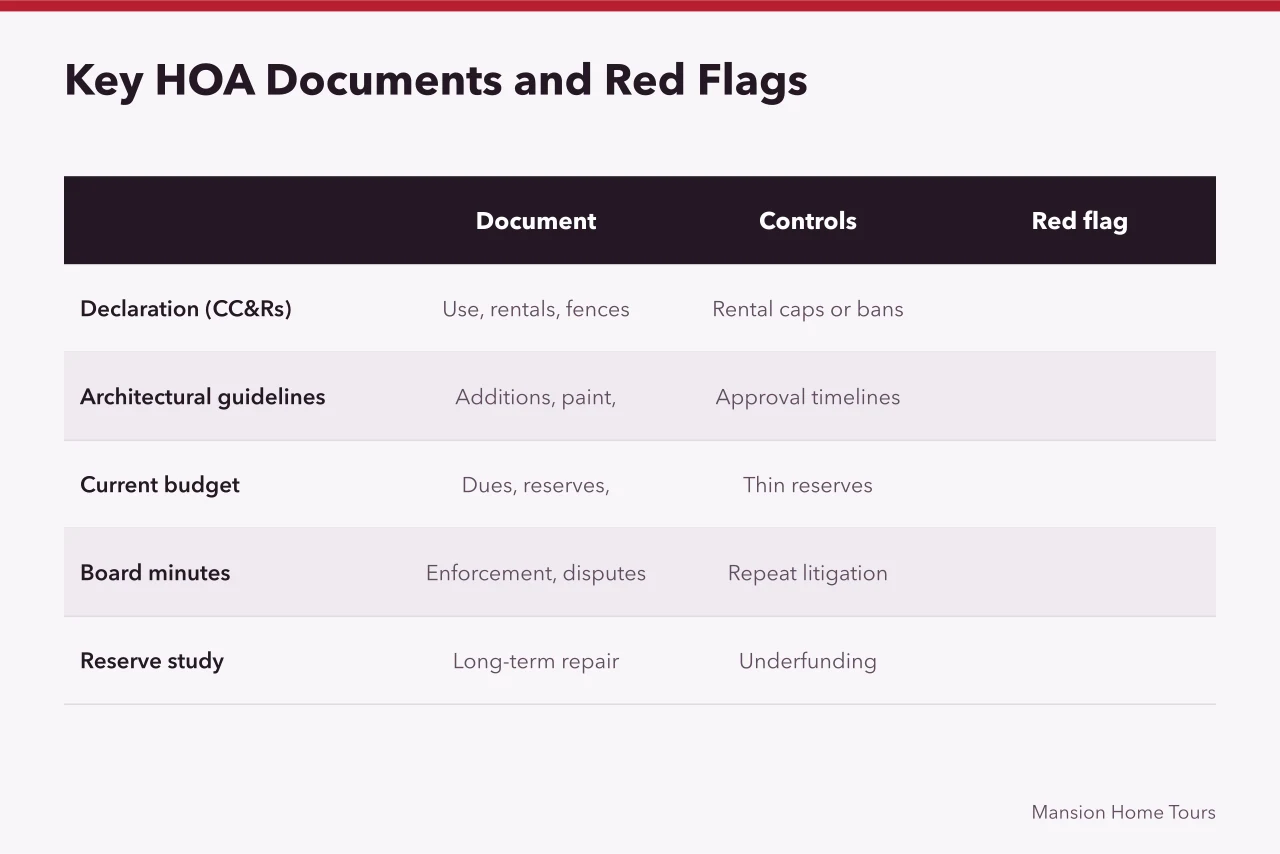
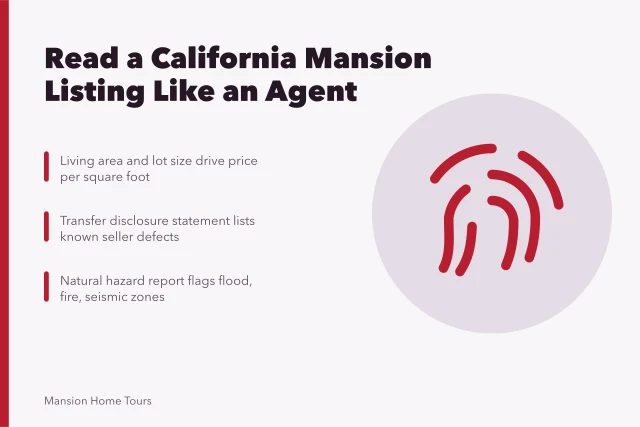
Ask the seller for the full package: declaration, bylaws, architectural guidelines, rules and regulations. Also request current budget, reserve study, insurance certificate and board minutes for the past 24 months. In California, the seller generally must deliver a specified disclosure package before closing. Read the state-specific list rather than trusting a summary.
| Document | What it controls | Red flag |
|---|---|---|
| Declaration (CC&Rs) | Use, rentals, fences, parking, fines | Rental caps or bans |
| Architectural guidelines | Additions, paint, landscaping, solar | Approval timelines |
| Current budget | Dues, reserves, insurance | Thin reserves |
| Board minutes | Enforcement history, disputes | Repeat litigation |
| Reserve study | Long-term repair funding | Underfunding |
HUD's homebuying pages explain how associations fit into a purchase and what buyers should request. The HUD guidance on buying a home is a reasonable starting checklist before you hire anyone.
Security contracts and what they cover
Gated celebrity enclaves in Los Angeles and South Florida often run a private patrol on top of the gate staff. The contract may include vehicle patrols, alarm response, camera monitoring and a resident hotline. It may not include liability for a break-in.
Ask who holds the contract, when it renews and what the termination clause says. A five-year patrol agreement signed two years ago is a cost you inherit. Ask the board for the incident log, not just the marketing brochure.
Bel Air and Beverly Hills are useful comparisons because their geography and density differ. The background on Bel Air shows how a hillside street grid shapes gate placement and patrol routes. Nothing in a patrol contract gives you a right to exclude lawful visitors, and trespass law still governs what happens at your door.
A gate is a management tool, not a legal shield. The sheriff still decides who enters with a warrant.
The diligence sequence
- Request the full document package in writing before your inspection contingency expires.
- Read the rental section twice. Many enclaves cap the number of leased homes or ban short-term rentals outright.
- Walk the property line with the architectural guidelines in hand and note every non-conforming fence, shed or tree.
- Ask the board, in writing, for pending assessments, open litigation and insurance claims.
- Price the dues plus any special assessment into your monthly carry before you remove contingencies.
- Confirm the current monthly dues and the date of the last increase
- Confirm whether the reserve study is funded to the recommended level
- Confirm the rental cap, waiting list and any transfer fee
- Confirm the insurance deductible and what the master policy excludes
- Confirm the fine schedule and the appeal process
Example: the fence that cost a buyer a season
A buyer closes on a hillside house with a six-foot privacy fence installed by the previous owner. The architectural committee never approved it. Six months later the board sends a notice: remove the fence within 30 days or face a daily fine and a lien.
The buyer's inspection covered the house. It did not cover the file. One written request for the approval record would have surfaced it before closing. That is the pattern: violations stay invisible until enforcement starts.
What celebrity density changes
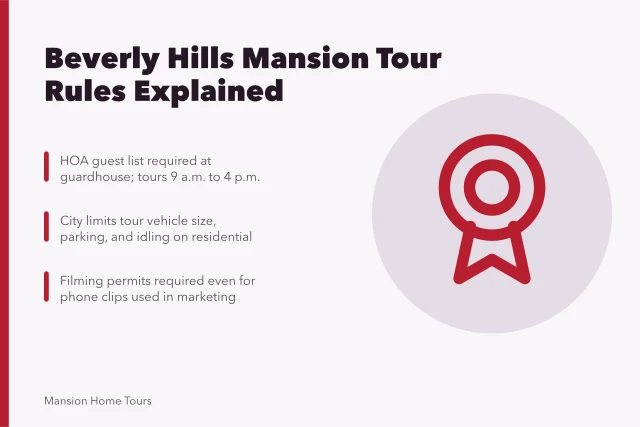
A famous neighbor does not change your deed. It changes traffic, camera coverage and the volume of requests from press and fans. Some enclaves respond with stricter visitor rules, no-drone clauses and limits on filming.
If you plan to rent the house for events or shoots, check the rules and the city permit process first. Many declarations ban commercial use outright. Others require board approval for any filming, with insurance and a fee. The overview of gated communities is a neutral primer on how these arrangements vary across the country.
Compare the enclave against the wider city before you commit. Our notes on Los Angeles homes architecture explain what hillside construction and fire codes mean for insurance and upkeep. Buyers moving between metros should read US homes by city interiors for how interior standards and renovation costs differ.
If you also track pricing signals, mansions prices compares agency asking prices with assessment records. For a broader directory of notable properties, mansions list is a dated, sourced reference.
Common questions
Can the HOA fine me without a hearing? Most declarations require notice and an opportunity to be heard before a fine is imposed, but the process varies by state and document. Read the enforcement section and the appeal timeline. A skipped step is a defense, not a guarantee.
Do I have to join the HOA? Yes, in nearly every gated community. Membership is automatic with the deed, and dues are a lien on the property. There is no opt-out for a single house inside the gate.
How do I check for pending special assessments? Ask for board minutes, the current budget and the reserve study, then ask the manager in writing if any assessment is approved or under discussion. Get it in writing before you remove contingencies.
What happens if I break the rules? The usual remedies are fines, suspension of privileges, a lien and, in some cases, a lawsuit to force restoration. The costs land on you and can exceed the value of the improvement you built.