Rules
Celebrity Vacation Home Interiors: What Second-Home Buyers Should Notice
A seasonal checklist of the interior features that make celebrity vacation homes and second homes different, from shutoff valves to entry filters and reset costs.
What to take away
- Vacation home interiors are planned around arrival and departure, not daily routine.
- Shutoff valves, remote thermostats, and coded locks carry more weight than statement furniture.
- Surfaces need to tolerate humidity, salt air, sun, and months of stillness.
- Duplicate supplies stored on site beat hauling basics back and forth.
- Price the annual reset, not only the purchase price.
How Vacation Interiors Differ From Primary Homes
A primary residence runs on routine. Someone is home most days. A small leak gets noticed, a fridge gets opened, and a furnace cycles.
A vacation home runs on gaps. Weeks or months pass with nobody inside. Interiors planned for that gap last longer than interiors planned for a photo.
Celebrity home tours rarely show the shutoff panel. Celebrity vacation home interiors often look like stage sets in photos. The real difference sits in what the camera skips: mechanical rooms, locked owner closets, and labeled valves.
Designers who work on celebrity second home design treat the house as two states, occupied and empty. Each state gets its own list of checks.
Start with this vacation homes interiors overview before you tour a seasonal property. It sorts the cabin, cottage, beach house, and lodge by the entrance that does the work.
Seasonal Interiors: A Room by Season Table
Seasonal home interiors reward buyers who plan for the empty months, not the used ones.
Room by Season Table
| Season | Interior feature | What it protects |
|---|---|---|
| Winter | Freeze alarm and drained supply lines | Pipes and slab edges |
| Summer | UV window film and washable slipcovers | Fabric and wood floors |
| Shoulder months | Humidistat and timed ventilation | Cabinets and closets |
| Long absence | Smart lock with guest codes and water main shutoff | The whole interior |
Match the interior to the season the house sits empty.
The Entry Sequence Does More Work In a Second Home
In a city apartment, an entry is a threshold. In a vacation house, it is a filter.
Sand, snow, lake water, and trail dust arrive with guests. A mudroom bench, a boot tray, and a hose bib near the garage door stop that traffic.
Keypads and lockboxes matter more than a decorative front door. A cleaner, a caretaker, and a neighbor may each need one-time access.
Write down who holds a code. Change the code after every stay.
Storage and Shutoff: A Second Home Buying Checklist
The vacation home interior features below carry the highest repair risk.
- Turn the main water shutoff and confirm it holds.
- Find the water heater and note its age.
- Test every exterior lock and the garage keypad.
- Identify owner-locked closets and guest closets.
- Check for a surge protector or a plan to unplug electronics.
- Ask how the house is ventilated while empty.
A Closing Sequence You Can Repeat
- Shut the main water valve and open the lowest faucet to drain the line.
- Set the thermostat for absence and write down the humidity reading.
- Lock the owner closet, arm the alarm, and tell the code holder the house is empty.
Example: A Beach House Kitchen That Survives Six Months Empty
A kitchen that sits empty from October to May faces different stress than one used daily. Humidity swells solid wood cabinet doors, and digital appliance boards fail more often than simple controls.
Painted cabinets, laminate counters, and mechanical appliances are easier to leave behind. Empty the fridge, prop its doors, and close the ice maker line.
The question is not what the house looks like on the day you buy it. It is what the house looks like on the day you return.
Ownership, Privacy, and the Paper Trail
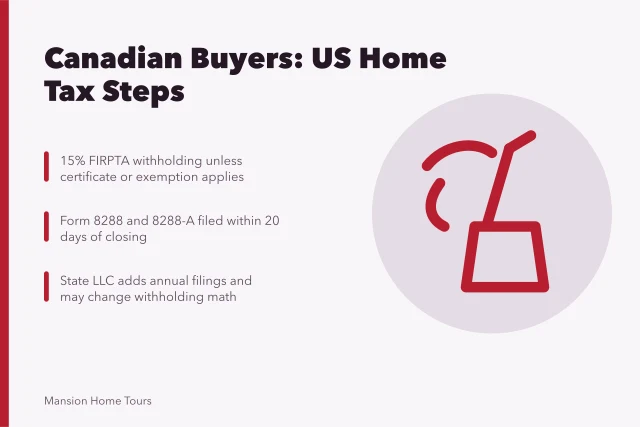
If you rent the property while you are away, the IRS overview of LLCs explains how a separate entity can hold title and file returns.
Association dues and shared amenities shift the annual cost. The Department of Housing and Urban Development homebuying resources describe how those shared charges work.
A gated community adds security staffing and gate maintenance to the budget. The overview of gated communities covers the tradeoffs.